

The Youth Mental Health Crisis Is a Failure of Prevention Infrastructure.
The conversation in clinical and public health communities has shifted from no longer asking whether early intervention works but why we are not delivering it at scale.
Consistent nervous system dysregulation, compounded across a lifetime of stress, disconnection, and unprocessed adversity, is the root cause underneath most of what we call the mental health crisis and later in life chronic diseases that include heart disease, diabetes, obesity, and autoimmune conditions.
Unbridled Rising's answer: build the conditions that interrupt the trajectory before struggle becomes disorder, before disorder becomes emergency.
How Change Happens:The Rise Mechanism

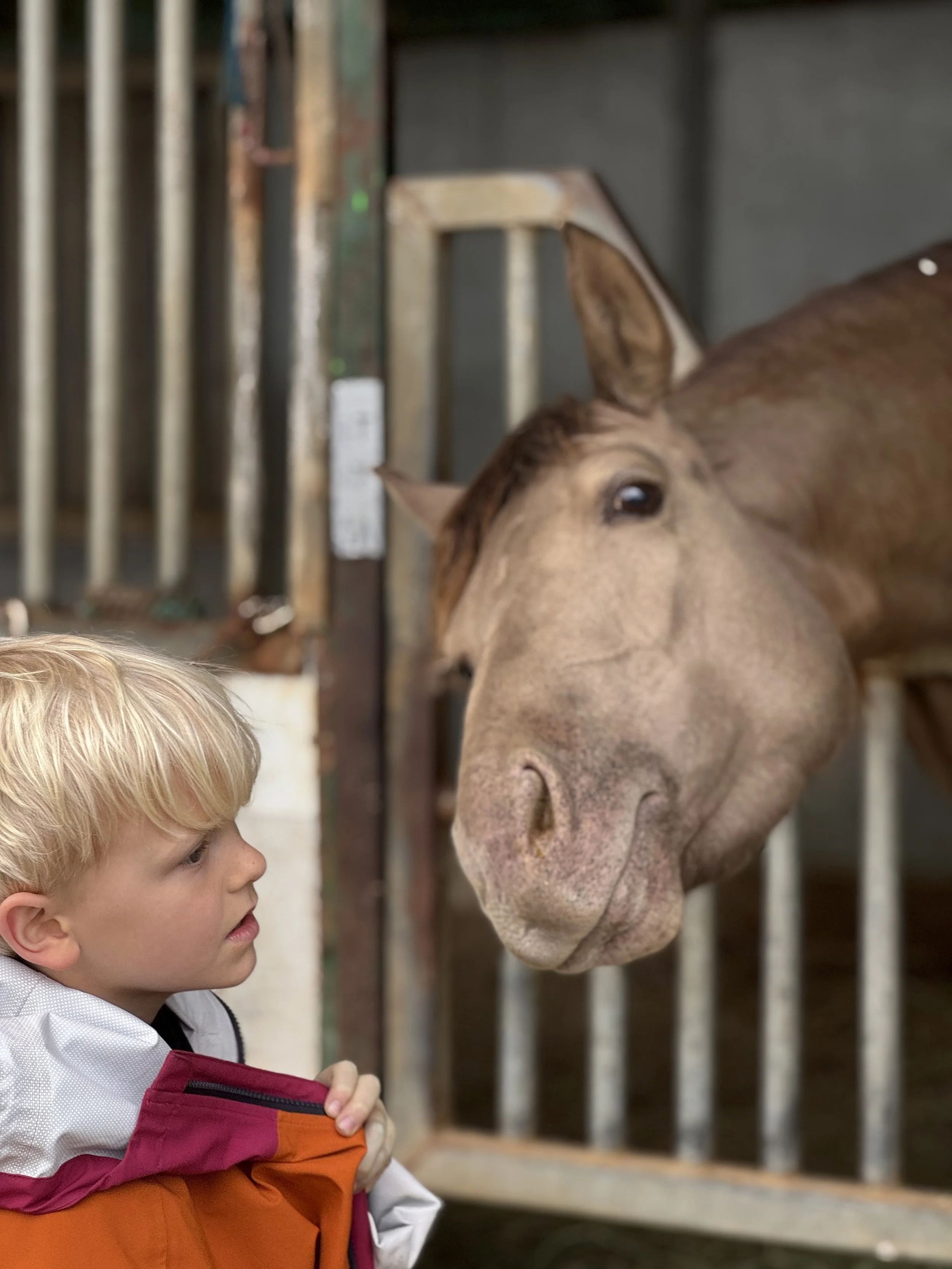
1. Felt Safety: A partnership-trained horse, regulated in its own nervous system, creates the conditions for ventral vagal activation in the participant. (Polyvagal Theory, Porges)
2. Authentic Encounter: The horse responds to what is physiologically true, not what is verbally performed. Participants cannot fake calm, perform confidence, or mask dysregulation. This disrupts habitual self-concealment and creates a different kind of self-awareness.
3. Named Insight: Facilitated reflection transforms the raw material of the horse encounter into named strengths, identified patterns, and conscious insight. The RISE framework provides the structure. The facilitator holds the container.
4. Integrated Agency: Participants practice acting from authentic self-knowledge — not performing competence, but exercising genuine agency. The horse's willing engagement is the confirmation.
5. Carried Forward: Each program closes with a ritual of integration: named commitments, witnessed by peers and horse. Outcome instruments measure pre/post shift. Family communication bridges the program experience to daily life.
Long-term outcome: Prevention of the trajectory from early adversity or dysregulation to adult mental and physical health crisis.
The Evidence Base
Polyvagal Theory (Porges) - The neurophysiological foundation for co-regulation. The ventral vagal state enables felt safety, connection, and learning. Horses activate this state through their regulated social nervous systems.
ACE Research (CDC-Kaiser) - Adverse Childhood Experiences data establishes the long-term developmental and health consequences of early adversity — and grounds the prevention argument for early intervention.
Positive Reinforcement Learning - Horses trained through R+ are more present, regulated, and genuinely available for relational exchange. Directly informs the UR horsemanship standard.
Self-Determination Theory (Deci & Ryan) - Autonomy, competence, and relatedness are the three core psychological needs for intrinsic motivation and wellbeing. All three are addressed through the RISE curriculum structure.
VIA Character Strengths (Peterson & Seligman) - Empirically validated strengths framework. Adapted for youth in the UR Strengths Identification instrument. Informs Days 2 and 4 curriculum across all program tracks.
Purpose Science (Burrow / PSiX at Cornell) - Youth with a greater sense of purpose show greater resilience, lower anxiety, stronger social connection, and greater life satisfaction. The RISE Phase 4 curriculum is directly informed by purpose science. (purposecommons.org; psix.bctr.cornell.edu)
CASEL SEL Framework - SEL competency framework — self-awareness, self-management, social awareness, relationship skills, responsible decision-making. RISE curriculum addresses all five clusters.
Heart Rate Variability Research - HRV synchrony between horses and humans in proximity is measurable and significant. Supports the biofeedback mechanism claim with physiological data.
Resilience Science (Ungar, Werner) - Prevention-focused resilience research establishes that protective factors, particularly relationship quality and sense of agency, are buildable at any developmental stage.
Our Horsemanship Standard
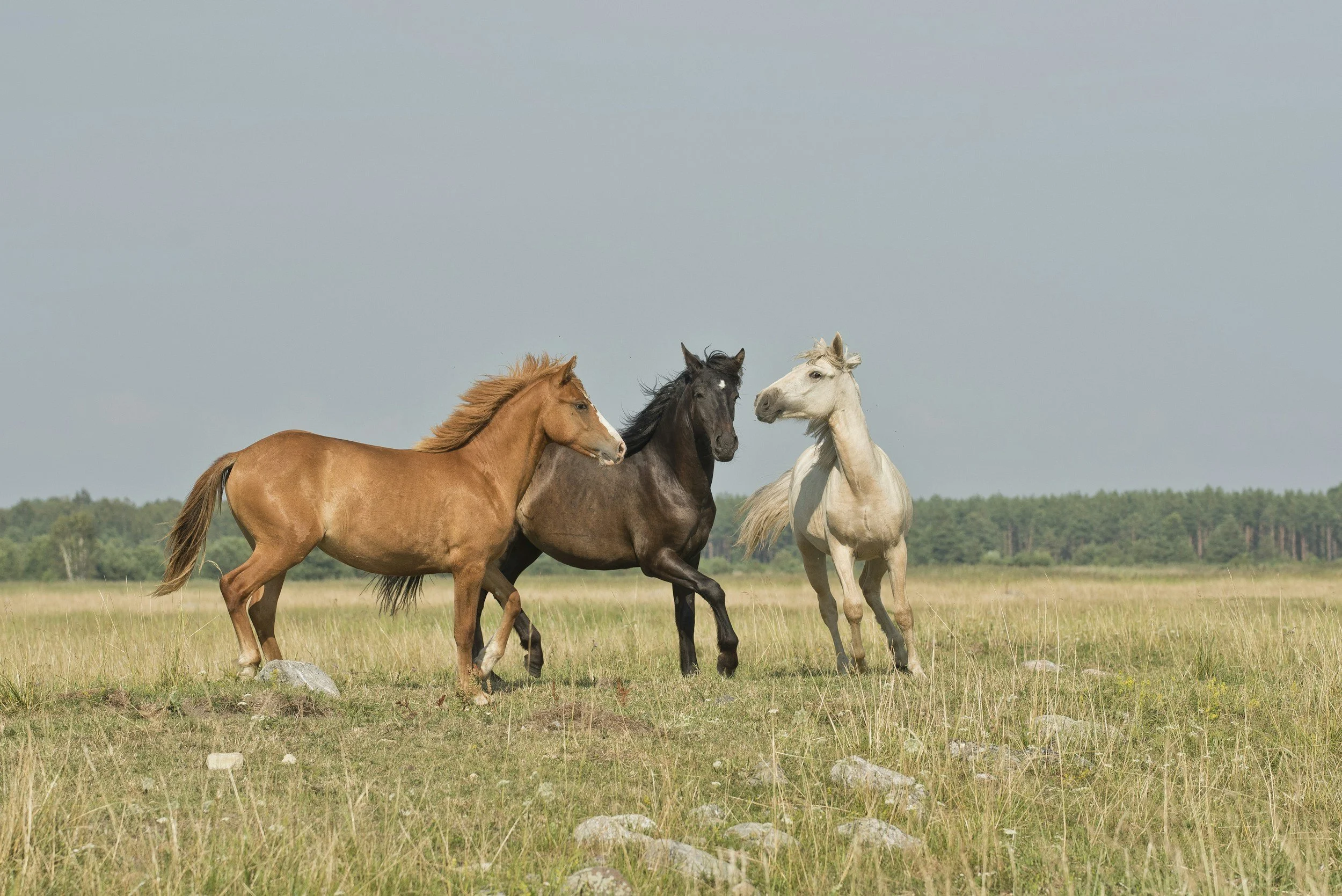
Partnership-based horsemanship is not a program feature. It is a prerequisite. A horse trained through compliance and pressure may perform the required behaviors. But the quality of presence it brings to the relational encounter is fundamentally different from a horse trained through trust, clarity, and genuine respect.
The co-regulatory mechanism that makes Unbridled Rising's work possible depends on the horse's authentic availability — not its compliance.